
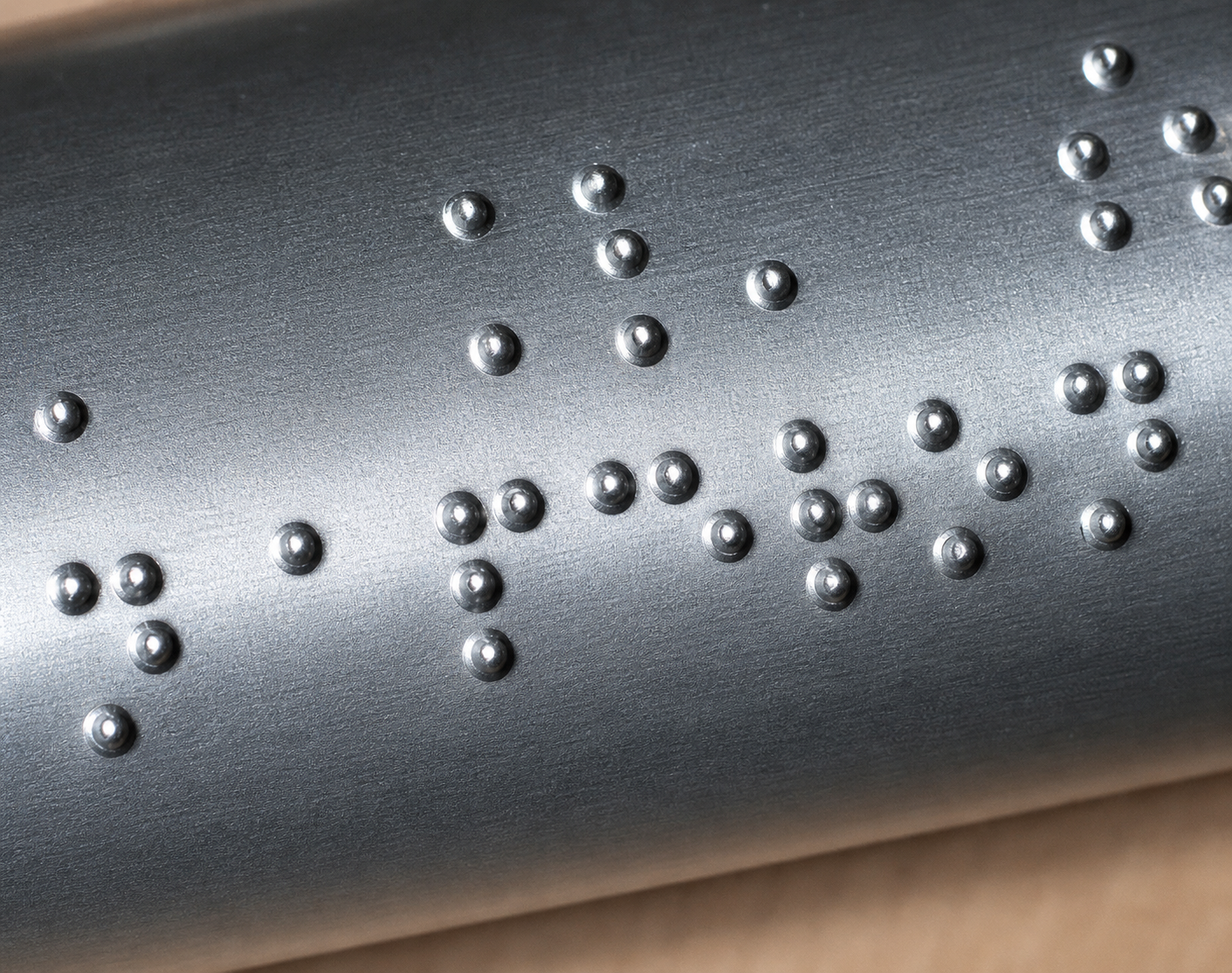
Braille embossed in metal
Embossing Braille dots directly into steel and aluminium delivers outstanding abrasion resistance and compliance with accessibility standards.
TACTILE BRAILLE SIGNAGE
We produce durable embossed Braille and tactile wayfinding systems for OEMs, contractors, and accessibility-focused projects. Clear specifications, consistent quality, and production-ready execution.
Scope of support
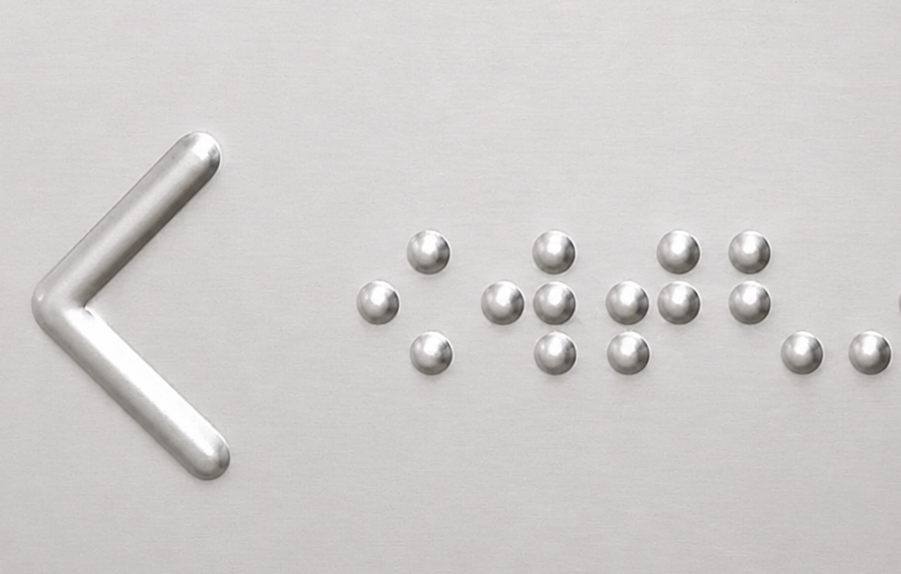
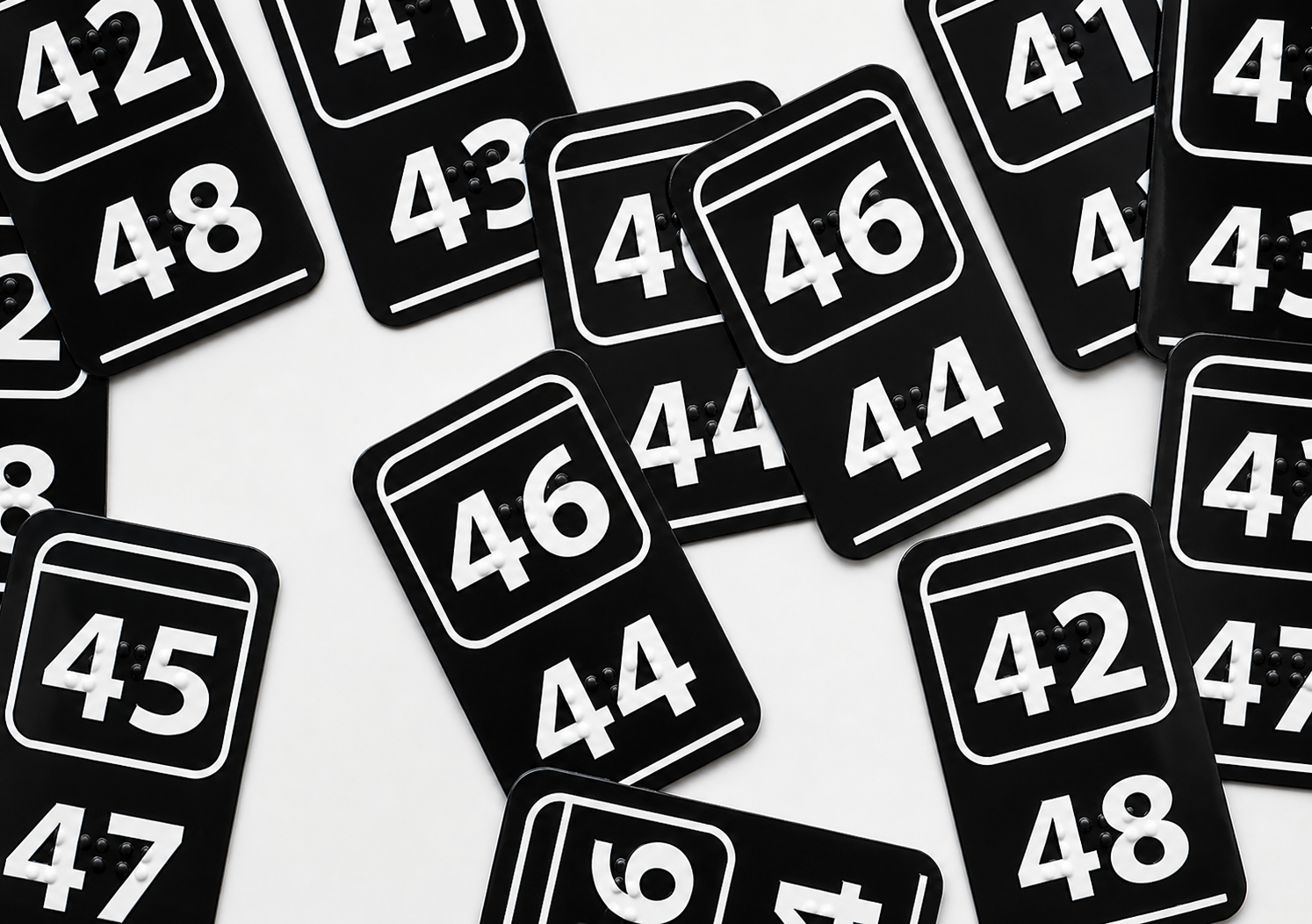
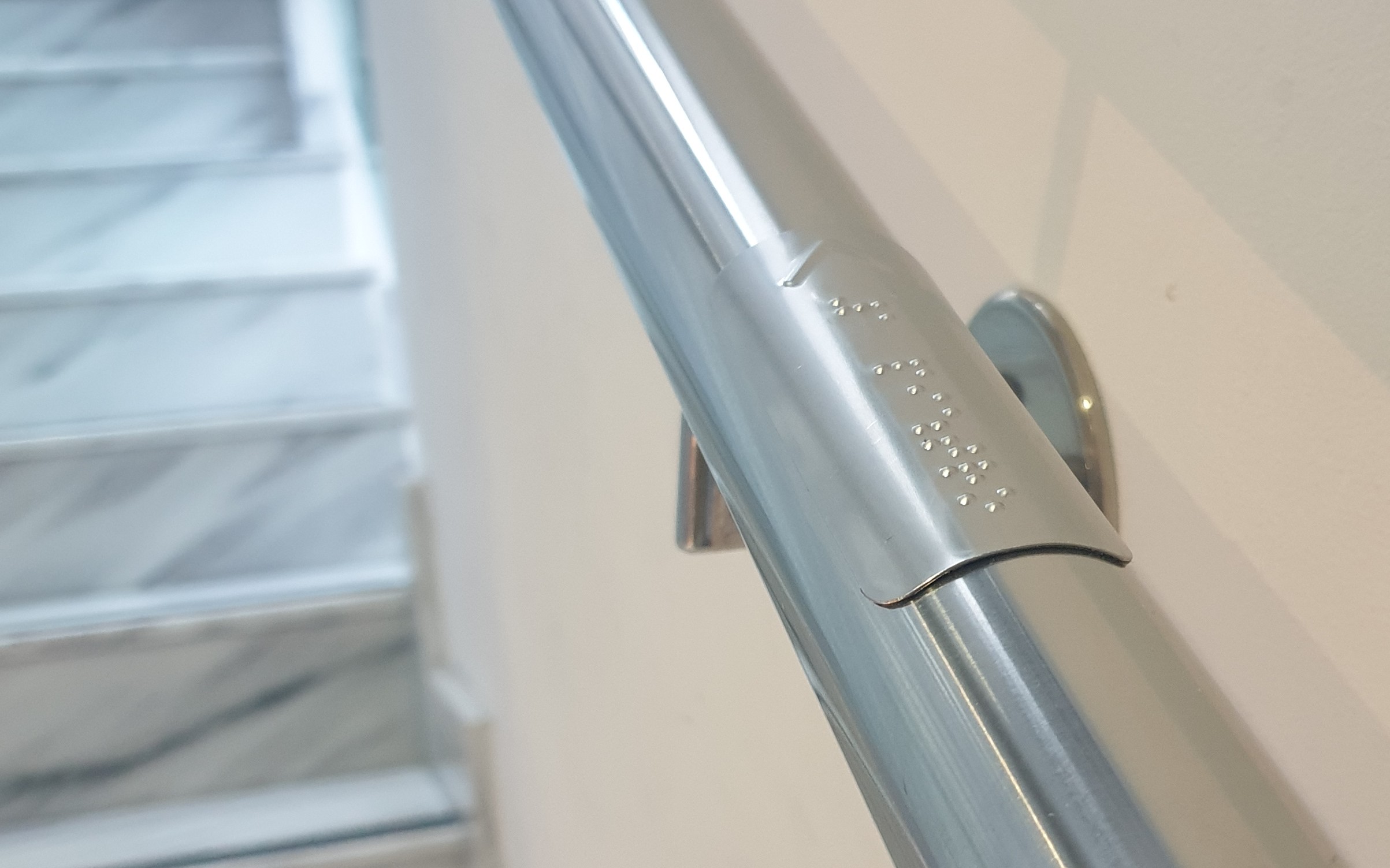
Embossed metal keeps tactile geometry sharp even in high-traffic transit and public spaces.
We align with accessibility norms and provide clear documentation for engineering teams.
Predictable timelines, repeatable batches, and reliable partner communication for complex projects.
ABOUT US
Taktoo Braille is a Polish manufacturer of tactile and Braille signage for clients in transport, public infrastructure and commercial environments.
With more than 20 years of experience in metal embossing, we produce signs that guarantee a long service life, clear tactile readability and repeatable quality.
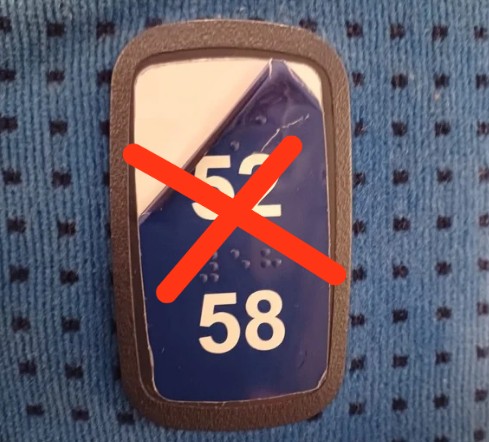
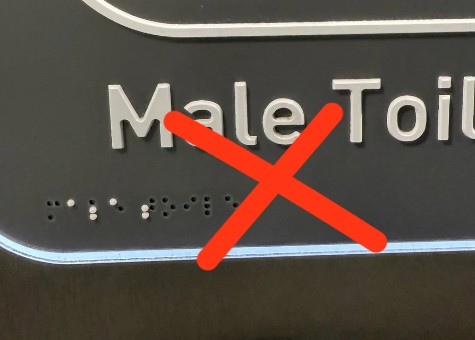
Our approach comes from practical observation: in heavily used environments, signs made from weak materials (paper, foil) with surface-applied dots fail over time — they delaminate and peel away easily. That is why, from the very beginning, we have focused on durable construction, precision embossing and legibility.
Alongside our proven standard products, we also develop bespoke solutions tailored to the requirements of each individual project.
Every project is handled individually — from material selection through to information layout and integration with your existing signage system.
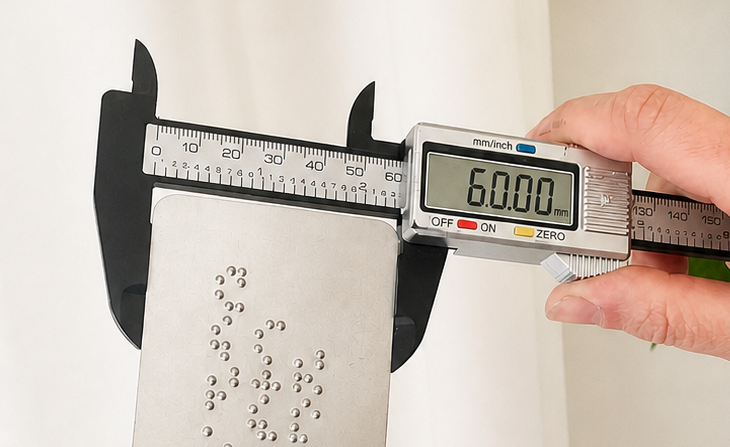
Manufacturing capabilities
Proven manufacturing know-how, durable materials and precision embossing come together in solutions designed for accessibility, long service life and dependable project delivery.
Embossing Braille dots directly into steel and aluminium delivers outstanding abrasion resistance and compliance with accessibility standards.
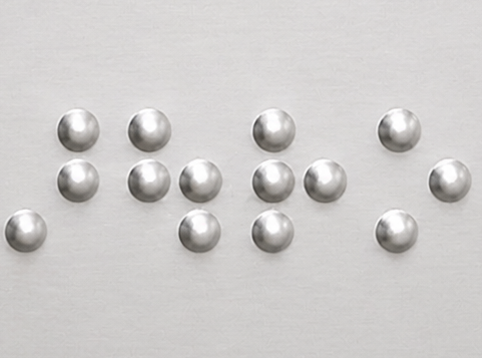
Designed to withstand wear, abrasion, vandalism and harsh operating conditions.
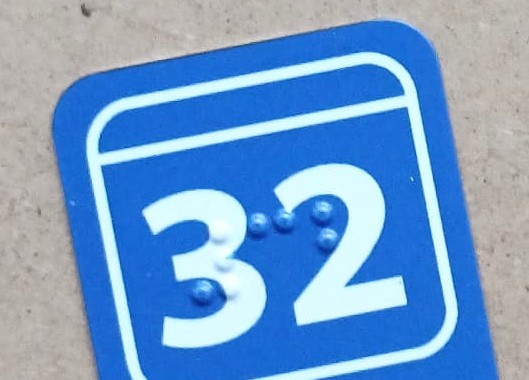
We match colours to your corporate identity, offering precise alignment with RAL palettes and the required luminance contrast.
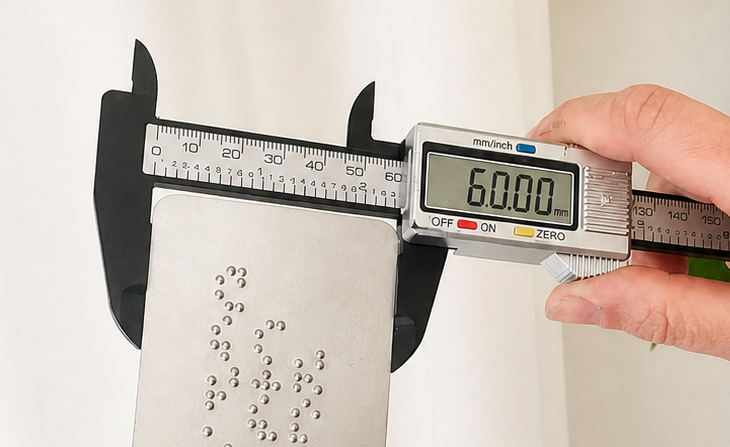
Every sign undergoes dot height measurement, spacing checks and legibility inspection to ensure compliance and user safety.
Applications
These are the most common settings where our solutions improve legibility and compliance with accessibility requirements.
Project gallery
Examples of our work in metal, engineering plastics and laminates. Every photograph shows real products made for our clients.
High-resolution preview
Click any photo to view details, texture and finish up close.
Trusted by industry
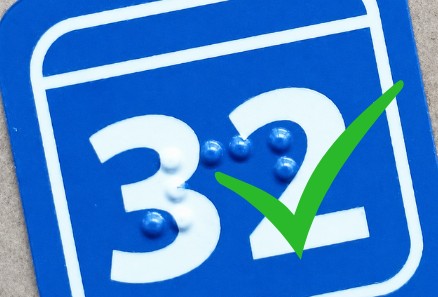
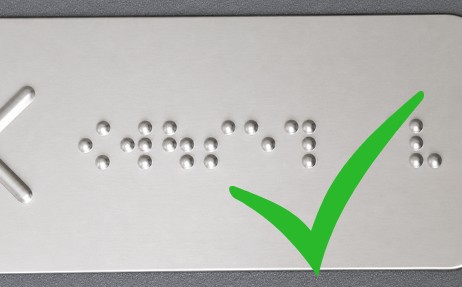
In public spaces, tactile signage must remain legible for years. Signage systems made by applying Braille dots as resin droplets onto paper or foil cannot guarantee durability. They peel away easily (not least at the hands of young rail passengers), which can completely change the meaning of the text. For Braille users, this is not a question of aesthetics — it is a question of function.
When the dot is part of the material itself, it retains the height and shape required by accessibility standards.
FAQ · Technical support
Short answers to the questions that come up most often in B2B tactile signage and wayfinding projects.
We work primarily with aluminium, stainless steel and engineering laminates, selecting the material to suit the operating environment. We also provide surface protection for intensive use.
Yes. We match colours to the client's visual identity and RAL standards, and can prepare samples to confirm the match where needed.
Yes. We design our signage for resistance to abrasion, vandalism and demanding operating conditions in public transport and high-footfall buildings.
In many cases, yes. We assess the condition and material of the existing signs, then propose a way to retrofit Braille or replace only selected elements.
Embossed Braille is an integral part of the metal and exceptionally resistant to mechanical damage. Resin Braille allows for faster retrofitting and precise application to existing surfaces, but requires periodic inspection.
Yes. We ship within the EU and beyond, with appropriate product protection and a full set of logistics documentation.
Our facility is in Poland, near Gdańsk. We work with clients across Poland and internationally.
Contact
Email is the fastest route. Describe the scope of work, quantities, materials, technical drawings and any industry requirements — we will respond with a manufacturing recommendation and timeline.
Please include the project scope, quantities, materials, and any drawings or CAD files. This helps us prepare an accurate quotation and select the right technology.
Please also include any requirements regarding invoicing, contrast, installation and the intended operating environment. We will advise on the right parameters and timescales.